In Qatar's climate, insulation is what separates an efficient HVAC system from one that sweats, drips and wastes energy. Supply ducts and refrigerant pipes often run through ceiling voids and plant rooms that are far hotter than the conditioned space. Without the right insulation, cold surfaces collect condensation, ceilings get stained, and cooling capacity is lost before air ever reaches the room. Choosing the right material and installing it correctly is essential.
XLPE (cross-linked polyethylene) foam is a closed-cell material, usually supplied in sheets and rolls, often with an aluminium foil facing. It is lightweight, clean to handle and resists moisture absorption, which makes it popular for duct insulation in Qatar, especially for supply and return ducts in villas and commercial buildings. It is also used for pipe insulation in suitable applications.
Closed-cell elastomeric rubber insulation comes as flexible tubes and sheets. It wraps easily around bends and fittings and has strong resistance to water-vapour penetration. That makes it a common choice for refrigerant copper pipes, chilled-water pipes and condensate lines, where preventing condensation is critical.
Fiberglass duct wrap or board, usually with a foil vapour barrier, is used on ductwork in some projects. It offers good thermal and acoustic performance but needs careful handling and a fully sealed vapour barrier to avoid moisture problems.
| XLPE | Rubber (elastomeric) | Fiberglass | |
|---|---|---|---|
| Cell structure | Closed cell | Closed cell | Fibrous |
| Typical use | Ducts, some pipework | Refrigerant and chilled-water pipes | Ducts |
| Moisture resistance | High | Very high | Depends on vapour barrier |
| Ease of installation | Easy | Easy, very flexible | Needs protective handling |
| Acoustic benefit | Moderate | Moderate | Good |
Always confirm thickness, fire rating and specifications against the project consultant's requirements.
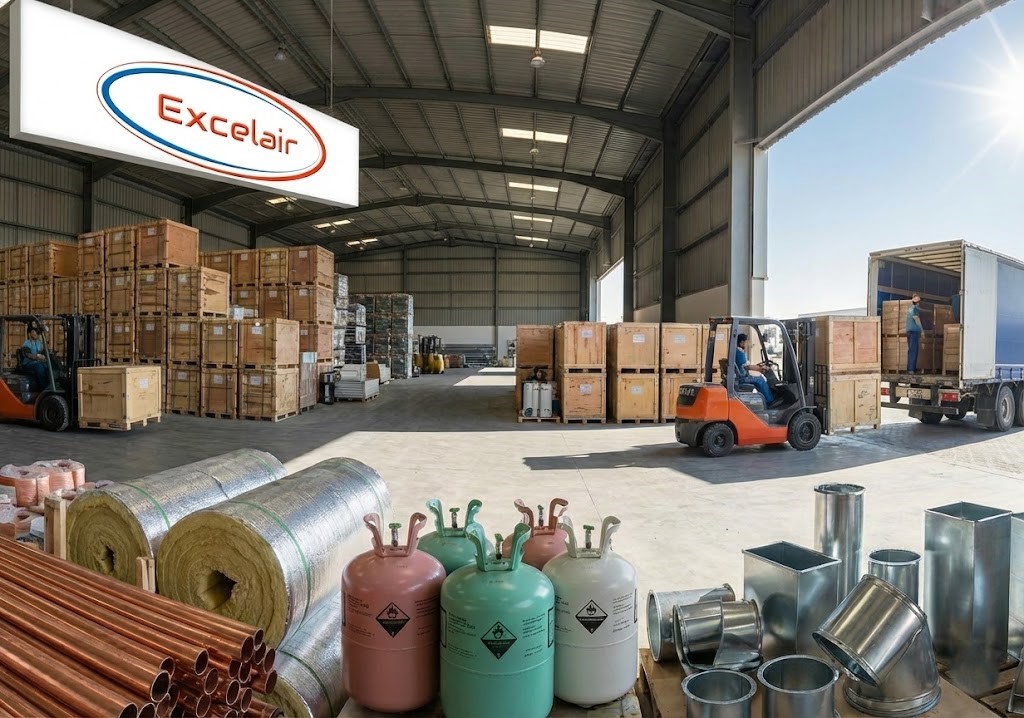
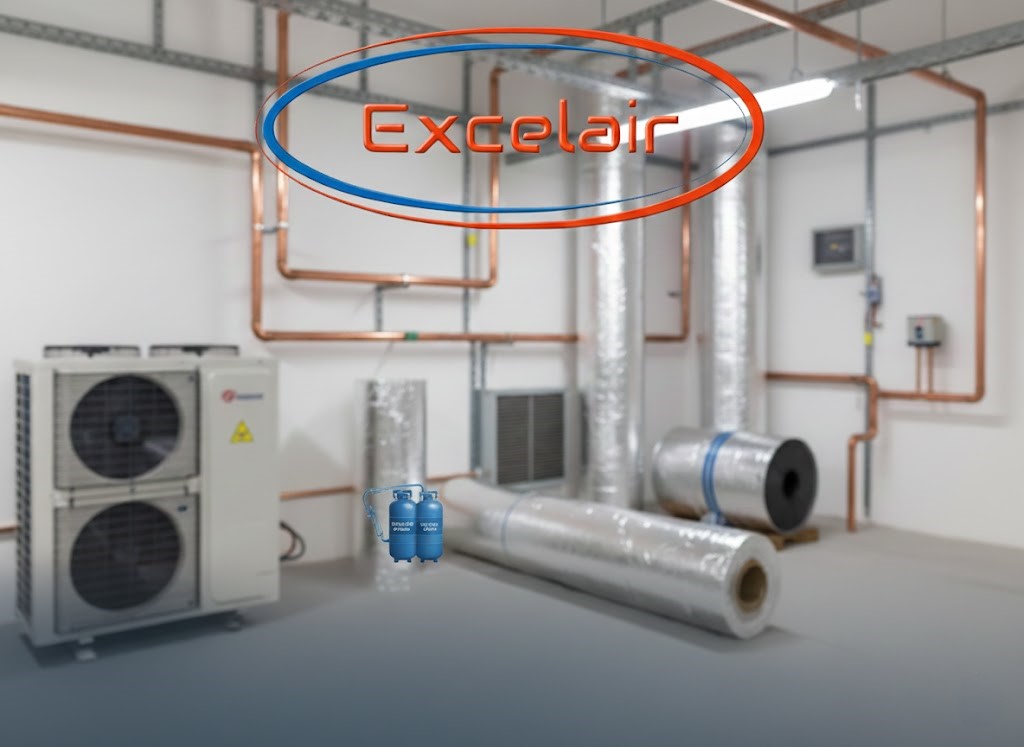
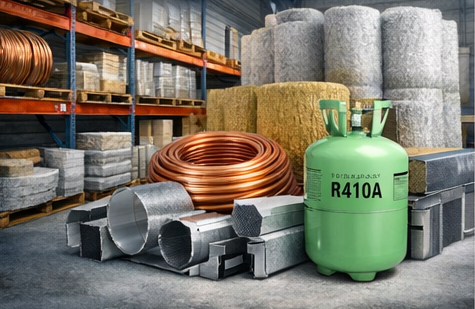
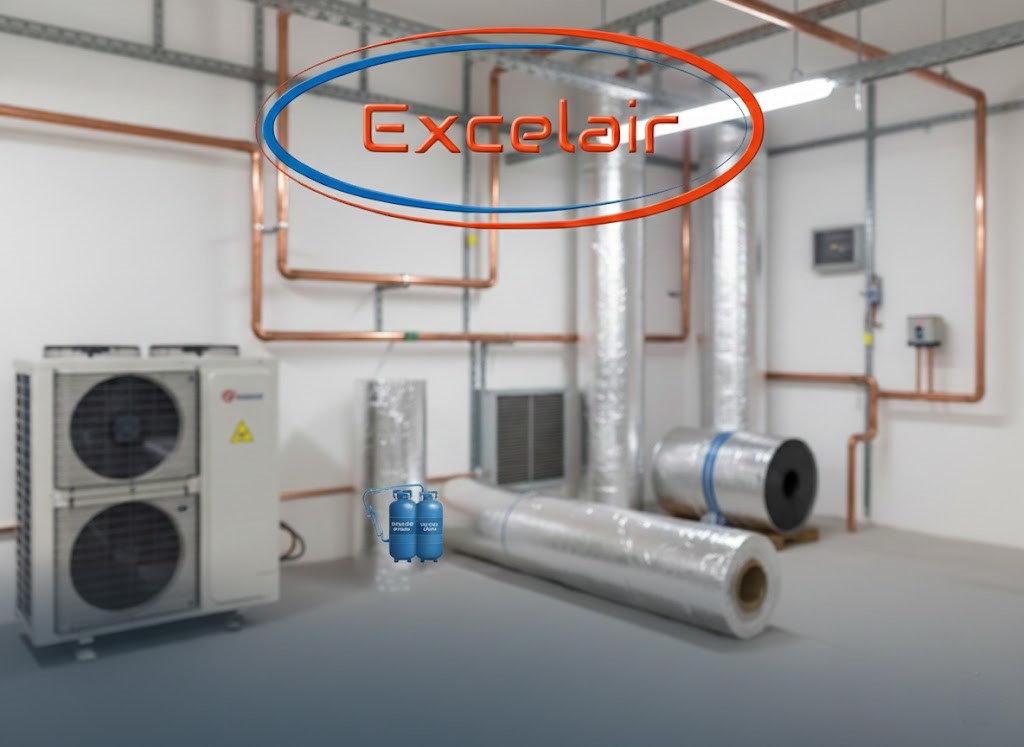
Excelair supplies HVAC insulation materials in Qatar, including XLPE and rubber insulation for ducts and pipes, along with copper pipes and related HVAC accessories for contractors and projects.
Which is better for duct insulation in Qatar, XLPE or fiberglass? Both are used. XLPE is closed-cell and easy to keep dry. Fiberglass offers better acoustics but depends on a well-sealed vapour barrier.
What insulation is best for AC copper pipes? Closed-cell rubber insulation is the most common choice because it is flexible and strongly resists vapour.
Do you supply insulation for large projects? Yes. Contact our team with your BOQ or specifications for a quotation.
Related reading:
Send your requirements or BOQ to Excelair for pricing and availability.
📞 +974 6657 1244 | +974 7474 3430 | +974 7075 9742
📧 sales@excelairqatar.com
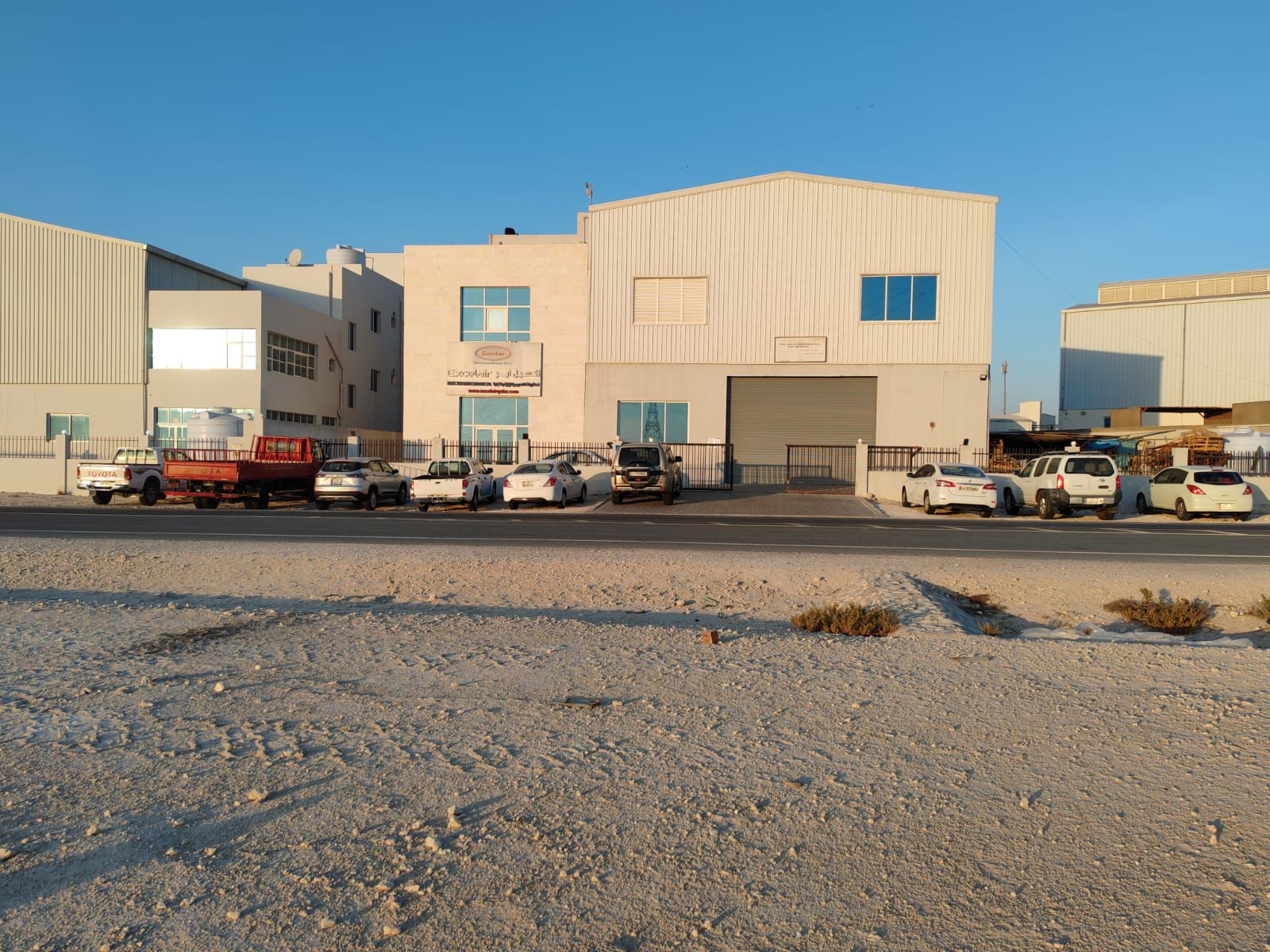
📍 Building No.15, Zone 91, Street 3107, Birkat Al Awamer, Doha, Qatar









 October 19, 2026 - BY
Admin